
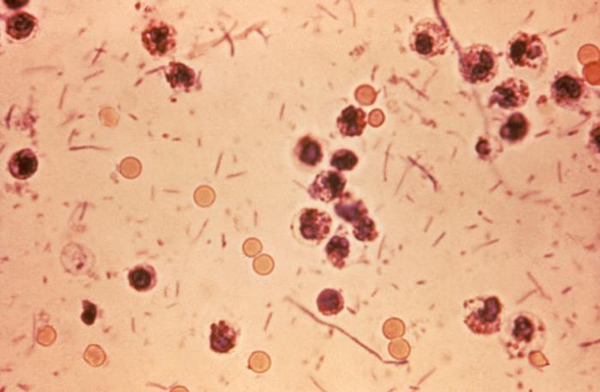
Treating Shigella infection requires a careful approach, especially as antibiotic resistance becomes a growing concern worldwide.
Standard Treatment for Shigella Infection
Most cases of Shigella infection are mild and resolve without the need for antibiotics. The primary focus is supportive care.
Key treatment methods:
- Staying hydrated with water or oral rehydration solutions
- Getting adequate rest
- Replacing lost electrolytes
Hydration is the most important factor, as diarrhea can quickly lead to fluid loss.
When Antibiotics Are Needed
In certain situations, antibiotics may be prescribed:
- Severe symptoms
- Prolonged illness
- High-risk patients (children, elderly, immunocompromised)
However, antibiotics should only be used under medical supervision.
The Problem of Antibiotic Resistance
A major concern with Shigella infection is the rise of drug-resistant strains.
This means:
- Common antibiotics may not work
- Treatment becomes more complicated
- Recovery may take longer
Health authorities such as Centers for Disease Control and Prevention have warned about this growing issue.
Medications to Avoid
Some medications can actually worsen symptoms.
Avoid:
- Anti-diarrheal drugs that slow bowel movement
- Self-prescribed antibiotics
These can trap bacteria in the intestines and prolong infection.
Home Care Tips
In addition to medical treatment, home care plays a key role:
- Eat light, easy-to-digest foods
- Avoid dairy and fatty foods
- Maintain hygiene to prevent spread
Recovery Timeline
Recovery varies depending on severity:
- Mild cases: 5–7 days
- Moderate cases: up to 10 days
- Severe cases: longer
Even after recovery, bacteria may still be present in the body for a short time.
Preventing Reinfection
After recovery, it’s important to prevent reinfection:
- Wash hands regularly
- Clean household surfaces
- Avoid preparing food for others until fully recovered
Final Thoughts
Treatment for Shigella infection is generally straightforward, but the rise of antibiotic resistance makes proper management more important than ever.
By focusing on hydration, proper care, and medical guidance when needed, most people can recover fully without complications.