
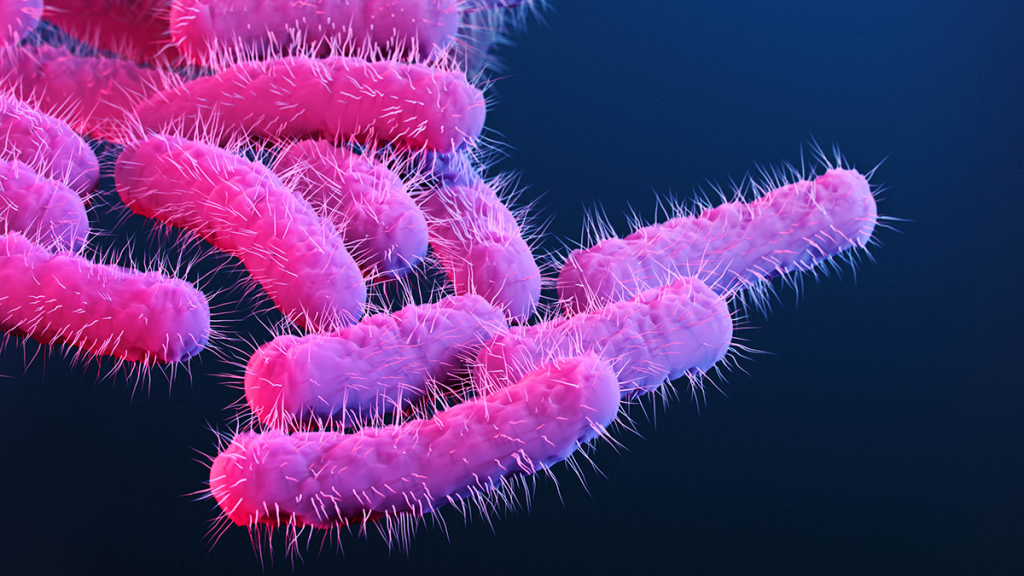
The sudden rise in searches for “shigella infection” shows growing public concern about this highly contagious bacterial illness. Cases linked to drug-resistant strains have increased attention globally, making it important to understand how this infection spreads, its symptoms, and how it can be treated effectively.
Shigella infection is an intestinal infection caused by a group of bacteria known as Shigella. It primarily affects the digestive system and can spread rapidly in crowded environments or areas with poor sanitation.
What Is Shigella Infection
Shigella infection occurs when Shigella bacteria enter the body, usually through contaminated food, water, or direct contact with an infected person.
This infection is a major cause of diarrhea worldwide and can range from mild discomfort to severe illness.
Symptoms of Shigella Infection
Symptoms typically appear within 1 to 2 days after exposure.
- Diarrhea (often bloody or severe)
- Stomach cramps
- Fever
- Nausea or vomiting
- Urgent need to pass stool
In more serious cases, dehydration can occur, especially in children and older adults.
Causes and How It Spreads
Shigella spreads very easily, even with minimal exposure.
Main transmission routes:
- Contaminated food or water
- Poor hand hygiene
- Person-to-person contact
- Contact with contaminated surfaces
Because only a small number of bacteria are needed to cause infection, outbreaks can happen quickly.
Drug Resistant Shigella Concerns
One reason this topic is trending is the rise of drug-resistant strains.
These strains:
- Do not respond well to common antibiotics
- Make treatment more difficult
- Increase risk of complications
Health organizations such as Centers for Disease Control and Prevention have issued warnings about these emerging threats.
Treatment for Shigella Infection
Most cases of Shigella infection resolve without antibiotics.
Standard treatment includes:
- Drinking plenty of fluids
- Rest
- Electrolyte replacement
Antibiotics may be used when:
- Symptoms are severe
- The patient is high-risk
- Infection is prolonged
However, due to resistance issues, treatment should always follow medical advice.
Prevention Tips
Preventing infection is crucial, especially during outbreaks.
Key prevention methods:
- Wash hands thoroughly with soap
- Avoid contaminated food and water
- Practice safe food handling
- Stay home when sick
Good hygiene is the most effective defense against Shigella.
When to See a Doctor
Medical attention is necessary if:
- Diarrhea lasts more than a few days
- Blood appears in stool
- High fever develops
- Signs of dehydration occur
Early treatment can prevent complications.
Why Shigella Infection Is Trending
The spike in search volume is driven by:
- Rising cases in certain regions
- Drug-resistant strains
- Public health alerts
- Increased media coverage
This makes it a high-interest topic with strong SEO potential.
Final Thoughts
Shigella infection is a serious but preventable illness. With proper hygiene, awareness, and timely treatment, most people recover without complications.
However, the emergence of drug-resistant strains highlights the importance of staying informed and cautious.