
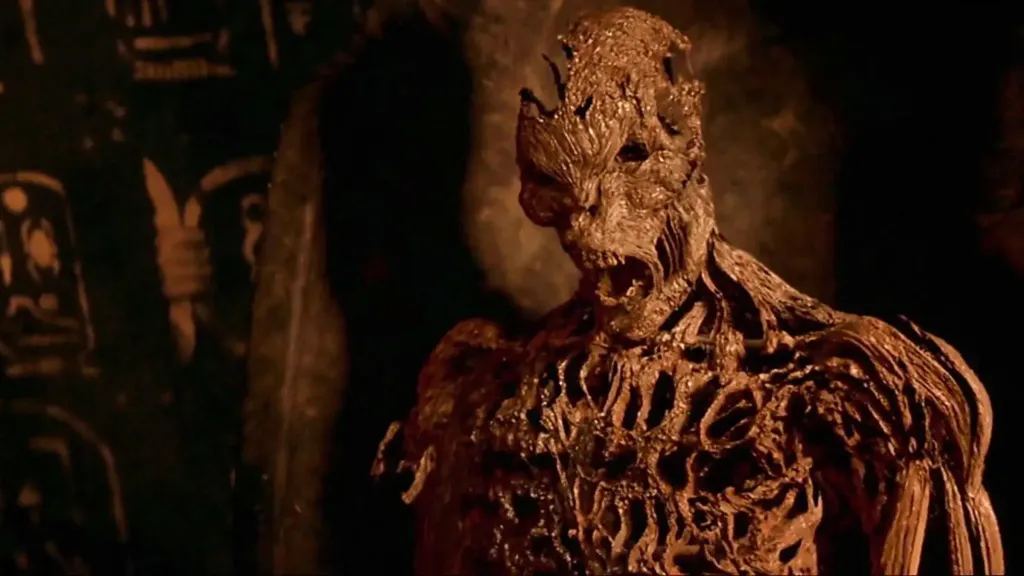
Hollywood keeps returning to The Mummy because The Mummy keeps making sense as a property. Name recognition across generations, a premise that works in multiple genres, enough distance from its last outing that audiences aren’t actively tired of it. Studios have done worse math.
The nostalgia angle is real but it’s also overstated. People who grew up with the 1999 Fraser film have genuine affection for it — the banter, the oversized adventure energy, Rachel Weisz basically carrying the whole thing. But nostalgia doesn’t sell tickets by itself. If it did, every reboot would succeed and most of them don’t. What nostalgia actually buys you is an opening weekend. People will show up once. Whether they come back, tell their friends, or care about a sequel depends entirely on whether the film is worth watching.
The 2017 version is the sharpest illustration of what happens when a studio skips that part. Universal wanted a Dark Universe — a shared monster franchise to rival Marvel — and announced it with full confidence before anyone had seen a frame of footage. The Tom Cruise Mummy wasn’t really trying to be a good Mummy film. It was trying to be the first episode of something larger, seeding characters and mythology for a franchise that didn’t exist yet. It earned a 16% on Rotten Tomatoes and the Dark Universe quietly stopped being mentioned in press releases.
That failure is probably why Cronin’s involvement reads as a course correction rather than just another attempt. He doesn’t have a history of building cinematic universes. He has a history of making tight, well-constructed horror films that function as complete stories. Evil Dead Rise didn’t leave threads dangling for a sequel. It dropped a family into a parking garage basement, systematically took everything from them, and committed fully to that single nightmare — the particular horror of watching someone you love become something you don’t recognize, in a space too small to run from. If that’s the sensibility Cronin brings to a Mummy film, it would be a genuine departure from how the franchise has operated.
The timing matters, though not in the way studio logic usually frames it. Streaming hasn’t made audiences hungry for familiar titles — it’s given them infinite alternatives and lowered their tolerance for films that waste their time. A mediocre Mummy reboot doesn’t coast on brand recognition anymore. It just gets abandoned twenty minutes in.
That’s actually the case for doing it well. A properly scary, seriously made Mummy film would stand out right now because the gap between good indie horror and good studio horror is still surprisingly wide. Films like Hereditary, Talk to Me, and The Black Phone have raised the baseline for what horror can do at a smaller scale. The studio version of the genre hasn’t always kept pace. If Cronin brings the same control and seriousness he showed in Evil Dead Rise, there’s real space for this to land differently than anyone expects.
Whether that becomes a franchise is a question worth setting aside for now. The studios that built successful long-running franchises mostly didn’t plan them from the first film. They made something good and then worked out what came next. That’s the version of this reboot worth hoping for — not the one that’s already mapping out sequels, but the one that’s actually trying to be scary.